Is That Sore on Your Foot Healing, or Hiding Something Worse?

Beverly Gruain • October 27, 2026

Diabetic Foot Ulcer Treatment | Family Foot Center
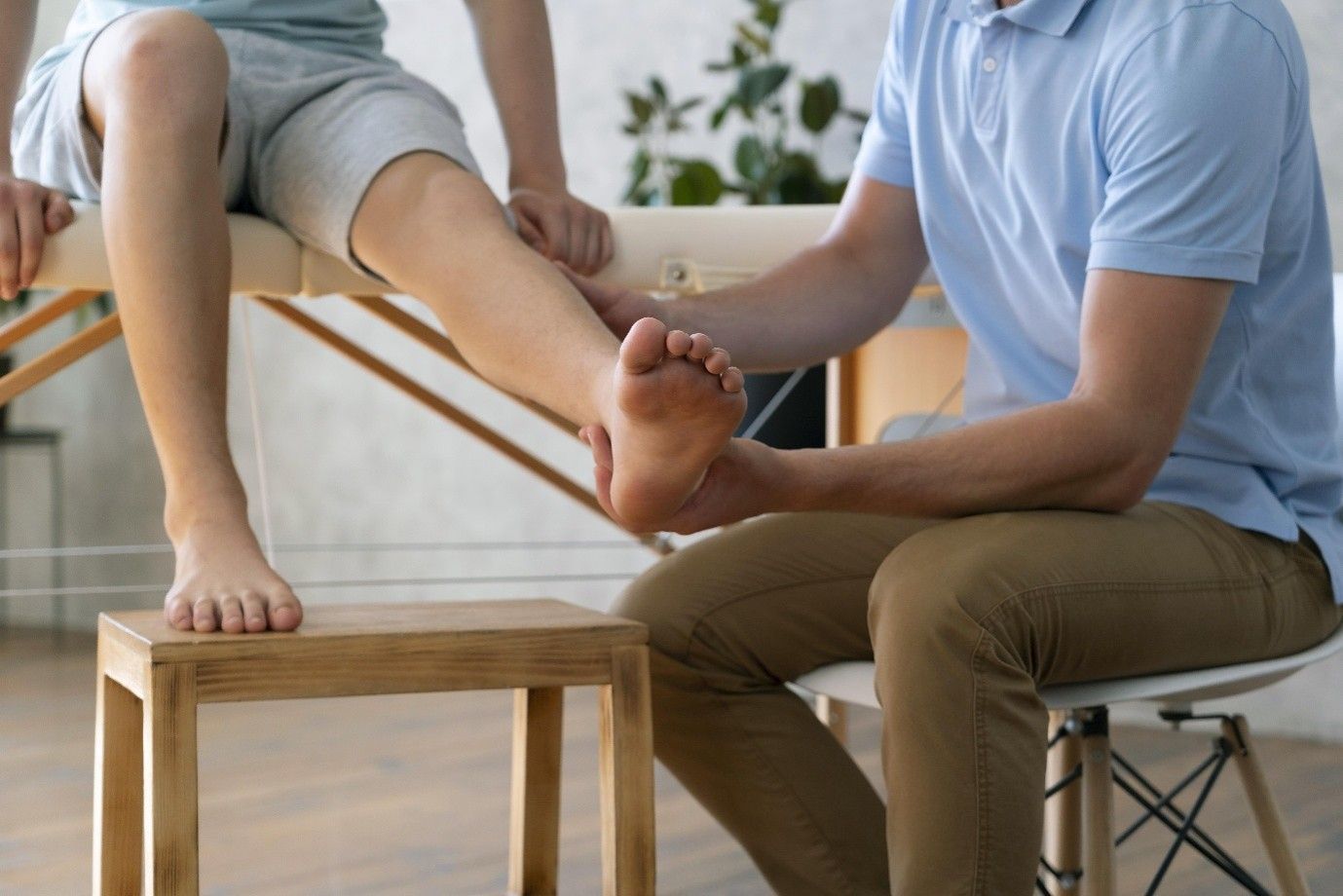
diabetic custom foot orthotics

Summary: This blog explains why diabetic foot sores require prompt attention, how nerve damage and poor circulation can delay healing, and which warning signs need professional evaluation. It explores diabetic foot ulcer treatment, the role of diabetic custom foot orthotics in reducing pressure, effective wound care, possible complications, and daily habits that help protect foot health and reduce the risk of recurring ulcers.


You spot a small sore on the bottom of your foot. It barely hurts, so you cover it with a bandage and carry on with your day. For most people, that would be a reasonable call. For someone living with diabetes, it can be a risky one. Nerve damage often dulls pain, which means a sore can quietly worsen for days before it gets your attention. That is why protective steps like diabetic custom foot orthotics, paired with prompt professional care for any open sore, play such a big role in keeping diabetic feet safe.


Why Diabetic Sores Behave Differently


Diabetes affects the feet in two main ways. High blood sugar over time can damage the nerves, a condition called peripheral neuropathy, so you may not feel a blister, a pebble in your shoe, or a small cut. It can also narrow the blood vessels in the lower legs, which slows the delivery of oxygen and nutrients that wounds need to heal.


Put those together and a minor scrape can turn into an ulcer, an open wound that refuses to close. Left alone, ulcers can become infected, and infections can reach deeper tissue and bone. Foot ulcers are a common reason people with diabetes need hospital care, and most of them are preventable with early attention.


Not All Diabetic Foot Ulcers Are the Same


Podiatrists look at both the cause and the depth of a wound, because each one shapes the treatment plan.


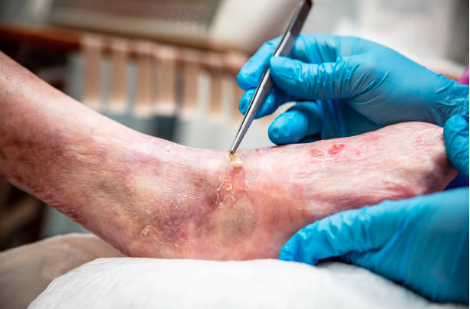
●  Neuropathic ulcers are the most common. They form on pressure points of a numb foot, often under the ball of the foot or the big toe, and are frequently painless. A ring of thick callus around the edge is a typical clue.


●  Ischemic ulcers are driven by poor blood flow. They tend to appear on the toes, the edges of the foot or the heel, and the surrounding skin may look pale or feel cool.


● Neuroischemic ulcers combine both problems and are often the slowest to heal.


Clinicians also grade ulcers by depth, using systems such as the Wagner and University of Texas classifications. These describe whether a wound is limited to the skin, reaches tendon or joint, or involves bone, and whether infection or reduced blood flow is present. The higher the grade, the more urgent the care. This is why a sore that looks minor on the surface can still call for a same-day exam.


How to Tell if a Sore Is Healing or Struggling


A healing wound gets smaller, cleaner, and less tender over time. A struggling one tends to do the opposite. Watch for these signs:


●  A sore that shows no improvement after a few days

●  Redness spreading outward from the edges

●  Warmth or swelling around the area

●  Drainage, pus or an unusual odor

●  Skin that looks dark, gray or black near the wound

●  Fever or chills alongside a foot sore

Timing matters too. Clinicians often treat a wound that has not shrunk meaningfully after about four weeks of proper care as stalled, which is a signal to reassess the cause rather than keep doing the same thing. Any one of the warning signs above is a reason to be seen promptly, not to wait and see.

Where the Trouble Usually Starts: Pressure


Many diabetic foot ulcers begin in the same few places, such as the ball of the foot, the heel and the tops of the toes. These are spots where pressure or friction builds up with every step. Over time, repeated pressure creates calluses, and calluses can break down into wounds beneath the surface without any warning pain.


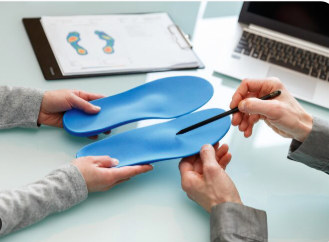
This is where diabetic custom foot orthotics earn their place. Unlike off-the-shelf inserts, custom orthotics are made from a detailed evaluation of your foot shape, gait, and problem areas. They are typically built in layers, with a soft, shock-absorbing top surface over firmer support, and contoured to touch the whole sole so pressure is shared instead of concentrated in one spot. For patients with foot deformities, a past ulcer, or reduced sensation, that targeted support can make a real difference in how often problems return.


The shoe matters as much as the insert. Therapeutic shoes are made with extra depth and a roomy toe box so an orthotic fits without squeezing the foot. Many have a rocker-style sole that reduces pressure on the forefoot with each step, and seamless linings that won’t rub a numb foot raw. Medicare and some private insurance plans may help cover therapeutic shoes and inserts for eligible patients with diabetes, though requirements vary, so it’s worth asking the office to check your coverage.


What Proper Wound Care Involves


If a sore has already developed, effective diabetic foot ulcer treatment goes well beyond a bandage. Proper care is built around the stage and cause of the wound, and a podiatrist will typically look at:


● The wound itself. Its size, depth and appearance, along with any signs of infection.


●  Wound cleaning. Removing dead or damaged tissue and keeping the area clean so healthy tissue can grow in.


●  Infection control. Treating or ruling out infection before it spreads.


●  Pressure relief. Offloading is one of the most important parts of healing. Options range from padding and healing shoes to removable walkers, and for      many ulcers on the sole of the foot, a total contact cast is considered the gold standard because it can’t be taken off between visits.


●  Dressings. Matched to the wound, usually to keep it moist and protected rather than dried out.


●  Blood flow. Checking circulation, since poor blood flow can stall healing. Standard ankle pressure tests can read falsely high in people with diabetes because the vessels stiffen, so toe pressures and other vascular tests are often used.


●  Follow-up. Regular rechecks to track progress and catch setbacks early.


For wounds that stall despite good basic care, specialists may consider advanced options such as specialized dressings, skin substitutes, negative pressure therapy, or a referral to a vascular surgeon. Each plan depends on the patient, which is why a hands-on exam always beats guessing from home.


Complications Worth Knowing About


Two problems deserve special mention because both can hide behind a seemingly ordinary foot.


Bone infection. When an ulcer is deep or has lingered for weeks, infection can reach the bone, known as osteomyelitis. It may need imaging, cultures and a longer course of treatment, and it is a major reason a nonhealing sore should never be ignored.


Charcot foot. In a numb foot, the bones and joints can weaken and break down without any obvious injury. The early signs are a foot that is warm, red and swollen, which is easily mistaken for infection. Catching it early and taking weight off the foot can help prevent the arch from collapsing.


Healing Is Not the Finish Line


Even after an ulcer closes, the new skin is more fragile than the skin around it, and ulcers have a well-known tendency to come back. That is why prevention becomes a long-term job, built on custom orthotics, properly fitted shoes, regular callus care, and routine podiatry visits, especially for anyone with neuropathy, a foot deformity, or a history of ulcers.


Daily Habits That Protect Your Feet


Professional care works best alongside good habits at home:


  1. Inspect both feet every day, including the soles and between the toes. Use a mirror if you can’t see the bottoms.
  2. Wash with lukewarm water and dry thoroughly.
  3. Moisturize dry skin, but keep lotion out from between the toes.
  4. Never go barefoot, even indoors.
  5. Choose properly fitted shoes and check inside them before putting them on.
  6. Keep blood sugar as steady as possible, since stable glucose supports circulation and healing.


Don’t Wait on a Sore That Isn’t Getting Better


A sore that is not clearly improving is a sore that needs to be looked at. Early treatment is usually simpler, shorter, and far less costly than treating an infected wound weeks down the line.


Family Foot Center offers same-day and emergency appointments for patients with diabetes, because timing matters when a wound is involved. Call Family Foot Center today to have that sore checked and take the first step toward protecting your feet.


FAQs


1. How do I know if a foot sore is serious when I have diabetes?


Any sore that isn’t improving within a few days, or that shows redness, warmth, swelling, drainage or odor, should be evaluated promptly. Because neuropathy can hide pain, a sore doesn’t have to hurt to be serious.


2. How are custom orthotics different from regular shoe inserts?


Store-bought inserts are made in standard sizes. Custom orthotics are designed from an evaluation of your foot structure and walking pattern, so they can target the exact pressure points that put you at risk.


3. Can a diabetic foot ulcer heal without professional care?


It’s risky to count on that. Reduced sensation and slower circulation make home treatment unreliable, and an untreated ulcer can become infected. Professional care gives a wound the best chance of healing fully.


4. How long does a diabetic foot ulcer take to heal?


Healing time depends on the wound’s size, depth, location, blood flow and whether infection is present. Some heal in a few weeks, while others take months. A wound that isn’t clearly shrinking after about a month of proper care should be reassessed for hidden causes like infection or poor circulation.


5. Does insurance cover therapeutic shoes and orthotics for diabetes?


Medicare and some private plans may help cover therapeutic shoes and inserts for eligible patients, usually with requirements such as a diabetes diagnosis and documented foot risk factors. Coverage rules vary by plan, so ask the office to verify your benefits before ordering.

By Beverly Gruain • November 10, 2026
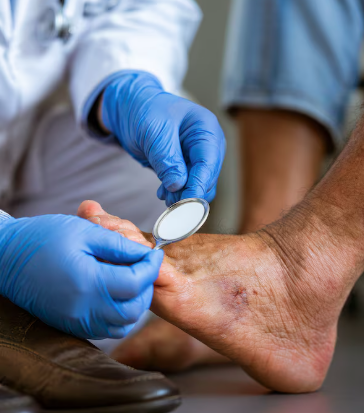
Summary: This blog explains how diabetes can increase the risk of foot injuries, infections, and delayed wound healing, particularly when holiday routines become less consistent. It highlights common warning signs, diabetic foot wound care options, and practical prevention tips. It also emphasizes the importance of regular foot examinations and seeking professional care early to avoid serious complications. Thanksgiving dinners, Christmas desserts, and holiday gatherings often bring changes to eating habits and daily routines. For people living with diabetes, these changes can make blood glucose management more challenging. Although seasonal treats do not directly cause foot wounds, consistently elevated blood sugar can contribute to nerve damage, poor circulation, and slower healing. Understanding these risks is important for preventing complications and recognizing when diabetic foot wound care treatment may be necessary. Foot health requires attention throughout the year. A small blister, cut, or area of irritated skin can become a serious concern when diabetes affects the body's ability to detect injuries and repair damaged tissue. How Does Diabetes Affect Foot Health? Diabetes can damage the nerves and blood vessels supplying the feet. Peripheral neuropathy reduces sensation, making it difficult to notice blisters, cuts, or injuries caused by footwear. As a result, damage may continue without causing noticeable pain. Reduced circulation creates another challenge. Blood supplies oxygen and nutrients needed for tissue repair and the body's response to infection. When circulation is compromised, even minor wounds may take longer to heal. These complications can develop gradually, making daily foot inspections and regular professional examinations essential. Why Can a Small Foot Injury Become a Serious Wound? A minor injury can progress without obvious warning signs. For example, someone with reduced sensation may continue wearing shoes that repeatedly rub against a blister. Continued friction can break the skin, allowing bacteria to enter. Common causes of diabetic foot wounds include: ● Cuts, scratches, and blisters that go unnoticed. ● Cracked skin, particularly around the heels. ● Calluses caused by repeated pressure that may conceal tissue damage. ● Ingrown toenails and injuries around the nail edges. ● Pressure injuries associated with foot deformities or changes in walking patterns. An open wound can become infected, and severe infections may spread into deeper tissues or bone. Early attention is therefore important, even when an injury appears minor. Warning Signs You Should Never Ignore Nerve damage can make diabetic foot wounds less painful or even painless. Regularly checking your feet helps identify problems before they become more complicated. Watch for: ● Redness, swelling, or unusual warmth. ● Cuts, blisters, cracks, or open sores. ● Drainage, pus, or an unpleasant smell. ● Unusual skin discoloration. ● Changes in foot shape or new swelling. ● Wounds that do not appear to be healing. Fever, spreading redness, rapidly worsening swelling, or signs of severe infection require urgent medical attention. Do not wait for pain to develop before seeking an assessment. What Does Diabetic Foot Wound Care Involve? Treating a diabetic foot wound requires more than covering it with a dressing. Care depends on the wound's depth, location, possible infection, circulation, and the patient's overall health. Depending on the assessment, treatment may involve: ● Wound cleaning and dressing: Cleaning the affected area and selecting an appropriate dressing to protect the tissue and support healing. ● Pressure relief: Using suitable footwear, padding, or offloading devices to reduce stress on the wound. ● Infection management: Evaluating suspected infections and providing appropriate treatment. ● Debridement: Removing dead or damaged tissue when clinically appropriate. ● Circulation assessment: Identifying reduced blood supply that may interfere with healing. The right diabetic foot wound care treatment depends on the wound's condition and whether infection or circulation problems are present. Ongoing monitoring is also important to assess progress and address factors delaying recovery. Avoid cutting calluses, applying unprescribed chemicals, or soaking an injured foot without professional guidance. These practices can irritate the skin or worsen an existing wound. How Can You Protect Your Feet During the Holiday Season? Enjoying seasonal gatherings does not mean neglecting the habits that protect your feet. A few consistent precautions can help: ● Maintain your diabetes routine: Follow prescribed medication and blood glucose monitoring guidance, even when meal schedules change. ● Inspect your feet daily: Check your soles, heels, toes, and spaces between the toes for injuries or skin changes. ● Wear comfortable footwear: Choose properly fitted shoes that minimize friction and pressure. ● Avoid walking barefoot: Even indoors, sharp objects and rough surfaces can cause unnoticed injuries. ● Moisturize dry skin: Protect against cracking, but avoid applying moisturizer between the toes. ● Schedule regular foot examinations: Professional assessments can identify pressure points, nail problems, and early signs of damage. These habits remain important beyond the festive season. Consistent care is more effective than waiting for visible damage or discomfort. Why Professional Diabetic Foot Care Matters Diabetic foot wounds vary in depth and severity. A superficial skin injury requires a different approach from a deep wound or infected ulcer. Professional evaluation helps identify the extent of damage and determine whether additional assessment is needed for infection, circulation, or pressure-related problems. Consistent wound care and diabetic foot care also include monitoring changes in the wound, recognizing possible complications, and adjusting the care approach as healing progresses. At Family Foot Center, patients can seek professional guidance for foot-related concerns and appropriate care based on their individual needs. An assessment can help identify the nature of a wound, determine suitable next steps, and establish a monitoring plan. If you have noticed a foot wound, persistent skin irritation, or changes in your foot health, don't wait for the problem to worsen. Contact Family Foot Center today to schedule a professional foot evaluation and learn about the appropriate care options for your needs. Make Foot Health Part of Your Everyday Diabetes Care Holiday meals and family gatherings can be enjoyed while maintaining the habits that support diabetes management. Regular foot inspections, suitable footwear, and attention to early signs of injury all contribute to better foot health. A small wound should never be dismissed simply because it does not hurt. Recognizing changes early and seeking appropriate care can help prevent serious complications throughout the festive season and beyond. Frequently Asked Questions 1. Why are people with diabetes more likely to develop foot wounds? Diabetes can damage nerves and reduce blood circulation, making injuries harder to notice and slowing tissue repair. This increases the risk of infection and other complications. 2. Can eating sugary foods during the holidays cause diabetic foot wounds? Sugary foods do not directly cause foot wounds. However, consistently elevated blood sugar can contribute to nerve damage and circulation problems over time, increasing the risk of foot complications. 3. What are the early warning signs of a diabetic foot wound? Redness, swelling, warmth, blisters, cuts, cracked skin, drainage, and wounds that do not heal are common warning signs. Reduced sensation may mean some injuries cause little or no pain. 4. What treatments are available for diabetic foot wounds? Treatment may include wound cleaning and dressings, pressure relief, infection management, debridement, and circulation assessment. The appropriate approach depends on the wound's condition. 5. How can people with diabetes prevent foot wounds during the festive season? Inspect your feet daily, wear properly fitted footwear, avoid walking barefoot, moisturize dry skin, and maintain your prescribed diabetes management routine. Regular professional examinations can also help identify problems early.
By Beverly Gruain • October 9, 2026
Summary: This blog explains how ignoring sports injuries can lead to chronic pain, reduced mobility, and longer recovery times. It highlights the importance of early podiatric treatment, proper diagnosis, and personalized care for effective healing. Focused on individuals around Liberty Ave in Pittsburgh, it connects everyday activity challenges with the need for timely intervention and professional foot care. A quick twist during a run. A slight strain after a workout. A sharp pain that fades by the next day. It is easy to assume that a sports injury will heal on its own with a little rest. However, ignoring early symptoms without proper podiatric sports injury treatment often leads to more serious problems over time. What begins as mild discomfort can gradually turn into persistent pain, limited movement, and longer recovery periods. For many active individuals around Liberty Ave in Pittsburgh, PA, staying consistent with workouts, walking routines, or daily activities is part of everyday life. But when foot or ankle pain starts interfering, even simple movements like walking, standing, or climbing stairs can become uncomfortable and frustrating. Why Sports Injuries Affect More Than Just Performance Foot and ankle injuries do not remain isolated. They directly affect how the entire body moves. When structures such as ligaments, tendons, or bones are compromised, natural biomechanics change. This alters gait patterns and load distribution across joints. As the body compensates, additional strain develops in other areas, which can lead to: ● Knee discomfort ● Hip strain ● Lower back pain This chain reaction is why proper evaluation is essential. A detailed assessment that includes movement analysis and biomechanical evaluation helps identify the root cause instead of temporarily masking symptoms. The Hidden Risks of Delaying Treatment for Sports Injuries Delaying care can turn a manageable condition into a long-term concern. In an active community like Pittsburgh, especially around busy areas like Liberty Ave, many individuals continue daily routines despite discomfort, which often worsens the injury. Inflammation can increase, microtears in tissues may expand, and the body may begin to heal improperly. Without structured care, this can result in reduced stability, chronic pain, or recurring injuries. Overuse conditions such as tendonitis or stress fractures are especially likely to worsen when ignored. Patients often report that early symptoms were dismissed, which later led to longer recovery timelines. Early intervention plays a critical role in preventing these complications and improving long-term outcomes. How Untreated Foot and Ankle Injuries Worsen Over Time Effective recovery requires more than rest alone. Professional podiatric sports medicine services focus on identifying the exact cause of injury through clinical evaluation, movement testing, and, when necessary, diagnostic imaging. Treatment is designed to restore normal function while correcting the underlying issue. This may involve improving joint mobility, reducing inflammation, and addressing mechanical imbalances that contributed to the injury. By focusing on how the foot functions during movement, care becomes more precise and results more reliable. With a structured and evidence-based approach, healing becomes more predictable and complete. Patients are not only treated for current pain but also guided toward preventing future injuries. If discomfort is already affecting your daily routine, early evaluation can significantly reduce recovery time and prevent further damage. Why Ignored Injuries Often Lead to Longer and More Complex Recovery No two injuries are exactly the same, which is why treatment should always be personalized. Recovery plans are based on the individual’s activity level, lifestyle, and the severity of the condition. This approach may include: ● Customized support such as orthotics or bracing ● Rehabilitation exercises to restore strength and flexibility ● Activity modification to reduce stress on the affected area By focusing on these elements, treatment becomes more effective and sustainable. Proper podiatric sports injury treatment helps restore mobility while reducing the risk of recurrence. When Ignoring Pain Becomes a Serious Problem Many people wait too long before seeking help, often hoping the discomfort will resolve on its own. However, certain symptoms indicate that professional care is necessary. Persistent pain, swelling, stiffness, or difficulty walking should not be ignored. Pain that worsens with activity or continues to return is a clear signal that the injury requires proper diagnosis. Addressing these symptoms early allows for more efficient healing and helps prevent long-term complications. Take the First Step Toward Recovery If you are experiencing ongoing pain, getting the right care early can make a significant difference in how quickly and effectively you recover. Our office is conveniently located on Liberty Ave in Pittsburgh, PA, making it easier for you to access expert care close to where you live or stay active. With the right diagnosis and a personalized treatment plan, healing becomes more efficient and long-lasting. Family Foot Center provides focused care designed to restore comfort, improve mobility, and support your return to an active lifestyle. Taking action early is the best way to protect your long-term foot health. FAQs 1. What is podiatric sports injury treatment? It focuses on diagnosing and treating foot and ankle injuries caused by physical activity, using personalized care plans to restore movement and prevent future issues. 2. When should I see a specialist for a sports injury? If pain, swelling, or discomfort lasts more than a few days or affects your daily activities, it is best to seek professional care. 3. Can untreated foot injuries become serious? Yes, untreated injuries can worsen over time and lead to chronic pain, reduced mobility, or additional strain on other parts of the body. 4. What treatments are commonly used? Treatment may include rehabilitation exercises, supportive devices, activity modification, and customized care strategies based on your condition. 5. How long does recovery take? Recovery time depends on the severity of the injury and how early treatment begins. Early care usually leads to faster and more effective healing.
By Beverly Gruain • October 8, 2026
Summary: An ingrown toenail can start as minor discomfort but become increasingly painful when the nail continues pressing into surrounding skin. This blog explains the common causes of ingrown toenails, warning signs of infection, when home care is appropriate, and how professional treatment can address persistent or recurring cases. It also covers prevention tips and when people with diabetes, reduced sensation, or circulation concerns should seek evaluation. That sharp little twinge along the edge of your big toe can seem easy to ignore. You might blame it on tight shoes, an awkward step, or a recent pedicure. But when the skin around the toenail becomes red, swollen, or increasingly tender, the problem deserves attention. At our family foot ankle clinic, we evaluate ingrown toenails and help patients determine whether simple care is enough or professional treatment is needed. What Exactly Is an Ingrown Toenail? An ingrown toenail develops when the edge or corner of a toenail grows into the surrounding skin instead of extending normally over the toe. It most often affects the big toe and can cause tenderness, redness, swelling, and irritation. When the skin becomes damaged, bacteria can enter and contribute to infection. Several factors can contribute to an ingrown toenail: ● Improper nail trimming: Cutting nails too short or rounding deeply into the corners can encourage the nail edge to grow into the skin. ● Tight footwear: Shoes with a narrow or crowded toe box can place repeated pressure on the nail and surrounding tissue. ● Toe injuries: Trauma, such as repeatedly hitting the toe or dropping something on it, can affect nail growth. ● Nail shape: Naturally curved or unusually shaped nails can be more prone to becoming ingrown. ● Moisture and irritation: Persistent moisture, friction, or irritation around the toes can contribute to skin breakdown and discomfort. People with diabetes, reduced sensation, or circulation problems should take foot changes seriously because an injury or infection can require more careful management. Why Waiting Can Make the Problem Harder An early ingrown toenail may cause little more than localized tenderness. As the nail continues pressing into the skin, however, inflammation can increase and the surrounding tissue can become more irritated. Signs such as increasing redness, warmth, swelling, drainage, or worsening pain can indicate that the area needs professional evaluation. An untreated infection can sometimes spread into surrounding tissue, making prompt assessment particularly important for people who have conditions that affect healing or sensation. Home care also has limits. Trying to cut deeply into the corner of the nail or repeatedly placing objects underneath it can further irritate already-sensitive tissue. If symptoms continue or worsen despite basic care, an examination is a better approach than repeatedly trying to correct the nail yourself. How Ingrown Toenail Treatment Works Treatment depends on the severity of the ingrown nail, the condition of the surrounding skin, whether infection is present, and whether the problem keeps returning. For a mild case, a foot specialist may recommend conservative measures designed to reduce pressure and allow the nail to grow normally. When part of the nail has become embedded in the skin and symptoms are more significant, a partial nail removal procedure can remove the problematic section while leaving the unaffected portion intact. For recurring cases, a matrixectomy may be considered. This procedure addresses part of the nail matrix, the tissue responsible for nail growth, to reduce the likelihood that the problematic portion of the nail will grow back. If an infection is present, treatment focuses on addressing the infection as well as the underlying nail problem. Antibiotics are not automatically necessary for every ingrown toenail, so the appropriate treatment depends on the findings during an examination. The goal is not simply to relieve today's discomfort. It is to address the cause of the problem and reduce the likelihood of repeated irritation. A Few Habits Can Help Prevent Another Ingrown Nail Once the toe has healed, everyday foot-care habits can make a meaningful difference. Trim toenails straight across. Avoid cutting deeply into the corners. Do not cut nails excessively short. Leave enough nail extending beyond the skin to reduce pressure on the nail fold. Choose footwear with adequate toe room. Your toes should not be compressed against the front or sides of the shoe. Keep your feet clean and dry. Change damp socks and pay attention to moisture between the toes. Check your feet regularly. This is especially important if reduced sensation makes it difficult to notice pain or irritation. These habits cannot eliminate every risk factor, particularly when nail shape or recurring problems are involved, but they can reduce preventable irritation. When Is It Time to See a Foot Specialist? A little tenderness does not always require immediate medical treatment. However, persistent or worsening symptoms deserve attention. Consider scheduling an evaluation if your toe develops increasing pain, swelling, redness, warmth, drainage, or difficulty wearing normal footwear. If you have diabetes, reduced sensation, circulation problems, or another condition that affects healing, it is particularly important to have new foot concerns assessed rather than attempting prolonged self-treatment. Family Foot Center provides foot and ankle care in Pittsburgh and Monroeville, including evaluation and treatment for ingrown toenails. If your symptoms are interfering with walking, footwear, or everyday activities, getting the problem evaluated can help you understand the appropriate next step. Take Toenail Pain Seriously Before It Takes Over Your Day An ingrown toenail may begin as a minor annoyance, but persistent pressure and inflammation can turn it into a much more uncomfortable problem. The right response depends on the severity of the condition, the health of the surrounding tissue, and whether the problem has become recurrent. As a provider of family foot health care , Family Foot Center focuses on identifying the underlying issue and developing treatment around the patient's individual needs. If an ingrown toenail is becoming increasingly painful or showing signs of infection, contact Family Foot Center to schedule an evaluation and determine the appropriate course of care. Frequently Asked Questions 1. Can an ingrown toenail heal on its own? Mild cases can sometimes improve with appropriate home care, particularly when there is no significant inflammation or infection. However, worsening pain, swelling, redness, drainage, or persistent symptoms should be evaluated by a foot specialist rather than treated indefinitely at home. 2. Is ingrown toenail treatment painful? Many in-office procedures involve local anesthesia to numb the affected toe before treatment. This helps minimize discomfort during the procedure. Some soreness can occur afterward, depending on the treatment performed and the severity of the condition. 3. How long does recovery take after ingrown toenail treatment? Recovery depends on the procedure and the individual case. Some patients can resume normal walking relatively quickly, while more involved procedures can require additional wound care and a period of reduced activity. Your provider can explain what to expect based on the treatment recommended. 4. Can an ingrown toenail come back after treatment? Yes. Recurrence is possible, particularly when the nail naturally curves inward, improper trimming continues, or pressure from footwear remains. For recurring cases, procedures that address part of the nail matrix can reduce the likelihood of the same section growing back. 5. When should I see a podiatrist for an ingrown toenail? Seek professional evaluation if pain persists or increases, or if you notice significant redness, swelling, warmth, drainage, or other signs of infection. People with diabetes, reduced sensation, circulation problems, or impaired healing should have new foot concerns evaluated promptly.
By Beverly Gruain • July 30, 2026
Summary: Diabetic orthotic insoles help prevent foot complications by reducing pressure, improving alignment, and protecting skin from friction. They also support better circulation and daily comfort, making them essential for consistent foot care. With the right support, you can lower the risk of injuries and maintain healthier feet, ensuring long-term protection and improved mobility in everyday life. When you are living with diabetes, foot care becomes a daily priority, not an afterthought. Even a small blister can turn into a serious issue if ignored. That is where diabetic orthotic insoles step in as a practical and preventive solution. They do more than cushion your feet. They help reduce pressure, improve balance, and protect your skin from damage. In simple words, they quietly do the heavy lifting while you go about your day. Balanced Pressure Distribution for Safer Movement One of the most common causes of diabetic foot problems is uneven pressure. Certain areas of your feet take on more weight, leading to stress points. Over time, this can cause calluses, sores, or ulcers. Orthotic insoles help spread pressure evenly across your feet. This means no single area is overworked. Your steps become more stable and controlled. It feels like your feet are finally getting the support they have been asking for. And honestly, once you feel the difference, there is no going back. Improved Foot Alignment for Long-Term Protection Your foot alignment affects how you walk, stand, and move every day. Poor alignment can create strain on muscles and joints. Over time, this increases the risk of injuries. That is where custom orthotics for diabetes make a real difference. They are designed specifically for your foot shape and condition. With proper alignment, your posture improves naturally. You reduce stress on sensitive areas and move more comfortably. It is a small adjustment that delivers big long-term benefits. Reduced Friction to Prevent Skin Breakdown Friction might seem harmless, but for diabetic feet, it can be a serious concern. Continuous rubbing inside shoes can lead to blisters and wounds. And if you have reduced sensation, you might not notice it early enough. diabetic orthotic insoles act as a soft barrier between your feet and your footwear. They reduce rubbing and absorb shock during movement. This helps protect your skin and lowers the chances of injuries. Think of them as your everyday shield against hidden risks. Better Circulation for Faster Recovery Good circulation is key to keeping your feet healthy. When blood flow is restricted, healing slows down. This increases the chances of infections and complications. Orthotic insoles help improve circulation by supporting proper foot positioning and reducing pressure points. As circulation improves, your feet feel less tired and more energized. Healing becomes faster and more effective. It is like giving your body a gentle push in the right direction. Consistent Comfort That Supports Daily Use Let’s face it, if something is not comfortable, you will not use it regularly. The good news is that modern orthotic insoles are designed with comfort in mind. They are lightweight, breathable, and easy to fit into your daily footwear. This makes it easier for you to stay consistent. And consistency is the secret sauce when it comes to prevention. The more you wear them, the better your protection. Simple habit, big impact. If you are ready to take better care of your feet, we at Family Foot Center are here to provide expert guidance and personalized solutions that truly make a difference in your daily comfort and long-term foot health. Final Remarks Preventing foot complications when you have diabetes is not complicated, but it does require attention and the right support. Orthotic insoles are not just about comfort. They are about protection, prevention, and peace of mind. By improving pressure balance, reducing friction, and supporting natural movement, they help you stay ahead of potential problems. As the saying goes, a stitch in time saves nine. Taking small steps today can save you from bigger issues tomorrow. FAQs 1. What are diabetic orthotic insoles used for? They help reduce pressure, prevent ulcers, improve alignment, and protect feet from injuries in people with diabetes. 2. How often should you wear orthotic insoles? You should wear them daily, especially while walking or standing, to get consistent protection and support. 3. Are custom orthotics better than regular insoles? Yes, custom orthotics provide tailored support, making them more effective for preventing diabetic foot complications. 4. Can orthotic insoles reduce foot pain? Yes, they help relieve pressure points and improve alignment, which reduces pain and discomfort. 5. Do orthotic insoles fit all types of shoes? Most insoles fit standard shoes, but footwear with proper space and support is recommended for best results. 
Pediatric Foot Pain Treatment
By Beverly Gruain • June 1, 2026
Learn when your child may need Pediatric Foot Pain Treatment and how early care can prevent long-term foot problems and discomfort.
Diabetic Foot Ulcer Treatment
By Beverly Gruain • May 28, 2026
Foot and ankle care. Diabetic foot care. Plantar Fasciitis. Podiatric surgery. Geriatric foot care. Pediatric foot care. Call for a same-day appointment!