When Should You Seek Pediatric Foot Pain Treatment for Your Child?
Pediatric Foot Pain Treatment
Summary:This blog contains important information about recognizing foot wounds, identifying early signs of infection, and understanding when medical attention may be necessary. It also shares simple prevention tips and practical care advice to help avoid serious foot complications and support faster healing.
Children run, jump, climb, and somehow turn every hallway into a race track. A little foot pain after a busy day may seem normal. However, when your child starts limping, avoiding activities, or complaining about sore feet often, it may be time to pay attention. Ignoring early signs can sometimes open a can of worms later.
Timely pediatric foot pain treatment helps identify hidden problems before they become serious. Children’s feet are still growing, so even small issues can affect posture, balance, and movement over time. The good news? Early care often leads to faster recovery and happier little feet.
Is Your Child Complaining About Foot Pain Too Often?
Kids occasionally say, “My feet hurt,” especially after sports or long walks. That alone is not always alarming. Still, repeated complaints should never be brushed under the rug. If your child avoids running, struggles to keep up with friends, or wakes up with sore heels, there may be an underlying issue.
Foot pain can stem from flat feet, growth plate irritation, sports injuries, or improper footwear. Sometimes, children cannot explain the pain clearly. Instead, they may walk differently or suddenly dislike physical activities they once enjoyed. Watching these small behavioral changes can help you spot a problem early.
Could Foot Pain Affect Your Child’s Growth and Mobility?
Yes, it absolutely can. Children’s bones, muscles, and joints are constantly developing. When foot pain goes untreated, it may affect walking patterns and overall posture. Over time, this can place stress on the knees, hips, and lower back. It becomes a domino effect nobody wants to deal with.
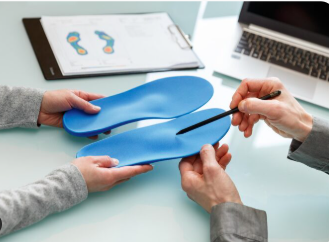
Conditions like Sever’s disease, ingrown toenails, bunions, or tendon issues can worsen without professional care. In some situations, doctors may recommend supportive treatments, physical therapy, or custom orthotics. Rarely, advanced conditions may require pediatric foot surgery services to correct structural problems and improve long-term mobility.
Are Sports and School Activities Making the Problem Worse?
Children today stay busy. Between soccer practice, dance class, playground adventures, and school activities, their feet rarely get a break. While activity is healthy, overuse injuries are becoming more common in growing children. Heel pain, stress fractures, and tendon strain often appear after repetitive movement.
You may notice your child limping after practice or asking to skip sports altogether. That is usually a red flag. Wearing worn-out shoes or poorly fitted footwear can also increase pressure on developing feet. Sometimes, the solution is surprisingly simple. Other times, professional evaluation is the safest path forward.
When Should You Stop Waiting and Visit a Specialist?
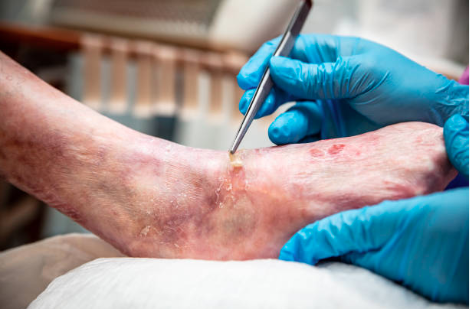
Parents often wonder whether foot pain will disappear on its own. In mild cases, rest may help. However, some signs should never be ignored. Swelling, redness, persistent limping, difficulty walking, or pain lasting longer than a few days deserves medical attention.
You should also seek help if your child complains of pain during normal activities or avoids putting weight on one foot. Early diagnosis matters because children heal faster when treatment starts quickly. Think of it as fixing a tiny crack before it becomes a giant pothole. Prevention truly goes a long way.
Can Early Treatment Make Recovery Easier for Your Child?
Absolutely. Early care can prevent complications and reduce discomfort before it interferes with daily life. Doctors can identify whether the issue is related to growth, injury, alignment, or footwear. Many conditions improve with stretching exercises, supportive shoes, activity changes, or orthotics.
Another important benefit is peace of mind. Parents no longer have to guess whether the pain is “just growing pains.” Children also feel more confident once they understand why their feet hurt and how treatment can help them return to normal activities safely.
Why Do Parents Trust Professional Pediatric Foot Care?
Parents want quick answers and safe solutions. Professional pediatric foot specialists understand how children’s feet grow and respond to treatment. They also know how to communicate with young patients in a calm and friendly way. That makes appointments less stressful for both kids and parents.
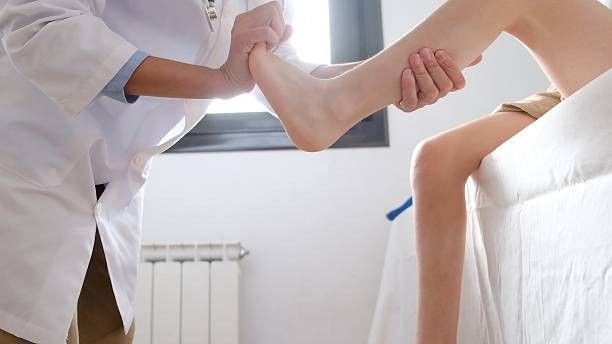
A proper evaluation can uncover problems that may not be visible at home. Specialists use experience, imaging, and physical exams to create personalized treatment plans. Every child is different, and a one-size-fits-all approach rarely works when growing feet are involved. Before small foot problems become bigger concerns, connect with Family Foot Center for trusted pediatric care and expert guidance tailored to your child’s needs.
Final Remarks
Children are naturally active, so occasional soreness may not seem unusual. Still, ongoing discomfort should never be ignored. Early pediatric foot pain treatment helps protect your child’s comfort, movement, and healthy development. It can also prevent future complications that affect daily life and physical activity.
Pay attention to changes in how your child walks, runs, or reacts to pain. Trust your instincts as a parent. If something feels off, seeking professional care sooner rather than later can make all the difference. Healthy feet today help support a healthier future tomorrow.
FAQs
1. What causes foot pain in children?
Foot pain may result from growth issues, sports injuries, flat feet, poor footwear, ingrown nails, or overuse during physical activities and daily movement.
2. When should I worry about my child’s foot pain?
You should seek medical care if pain lasts several days, causes limping, swelling, redness, or prevents normal walking and physical activity.
3. Can flat feet cause foot pain in children?
Yes. Flat feet can strain muscles and joints, leading to discomfort, balance problems, and fatigue during walking, running, or sports activities.
4. Are growing pains the same as foot pain?
Not always. Growing pains usually affect both legs at night. Persistent foot pain during activities may signal a separate medical condition.
5. How is pediatric foot pain treated?
Treatment depends on the cause. Doctors may recommend rest, stretching, supportive footwear, orthotics, therapy, or other specialized medical care.