Can Holiday Eating Habits Put Your Diabetic Foot Health at Risk? What to Watch for This Festive Season
Summary: This blog explains how diabetes can increase the risk of foot injuries, infections, and delayed wound healing, particularly when holiday routines become less consistent. It highlights common warning signs, diabetic foot wound care options, and practical prevention tips. It also emphasizes the importance of regular foot examinations and seeking professional care early to avoid serious complications.
Thanksgiving dinners, Christmas desserts, and holiday gatherings often bring changes to eating habits and daily routines. For people living with diabetes, these changes can make blood glucose management more challenging. Although seasonal treats do not directly cause foot wounds, consistently elevated blood sugar can contribute to nerve damage, poor circulation, and slower healing. Understanding these risks is important for preventing complications and recognizing when diabetic foot wound care treatment may be necessary.
Foot health requires attention throughout the year. A small blister, cut, or area of irritated skin can become a serious concern when diabetes affects the body's ability to detect injuries and repair damaged tissue.
How Does Diabetes Affect Foot Health?
Diabetes can damage the nerves and blood vessels supplying the feet. Peripheral neuropathy reduces sensation, making it difficult to notice blisters, cuts, or injuries caused by footwear. As a result, damage may continue without causing noticeable pain.
Reduced circulation creates another challenge. Blood supplies oxygen and nutrients needed for tissue repair and the body's response to infection. When circulation is compromised, even minor wounds may take longer to heal.
These complications can develop gradually, making daily foot inspections and regular professional examinations essential.
Why Can a Small Foot Injury Become a Serious Wound?
A minor injury can progress without obvious warning signs. For example, someone with reduced sensation may continue wearing shoes that repeatedly rub against a blister. Continued friction can break the skin, allowing bacteria to enter.
Common causes of diabetic foot wounds include:
● Cuts, scratches, and blisters that go unnoticed.
● Cracked skin, particularly around the heels.
● Calluses caused by repeated pressure that may conceal tissue damage.
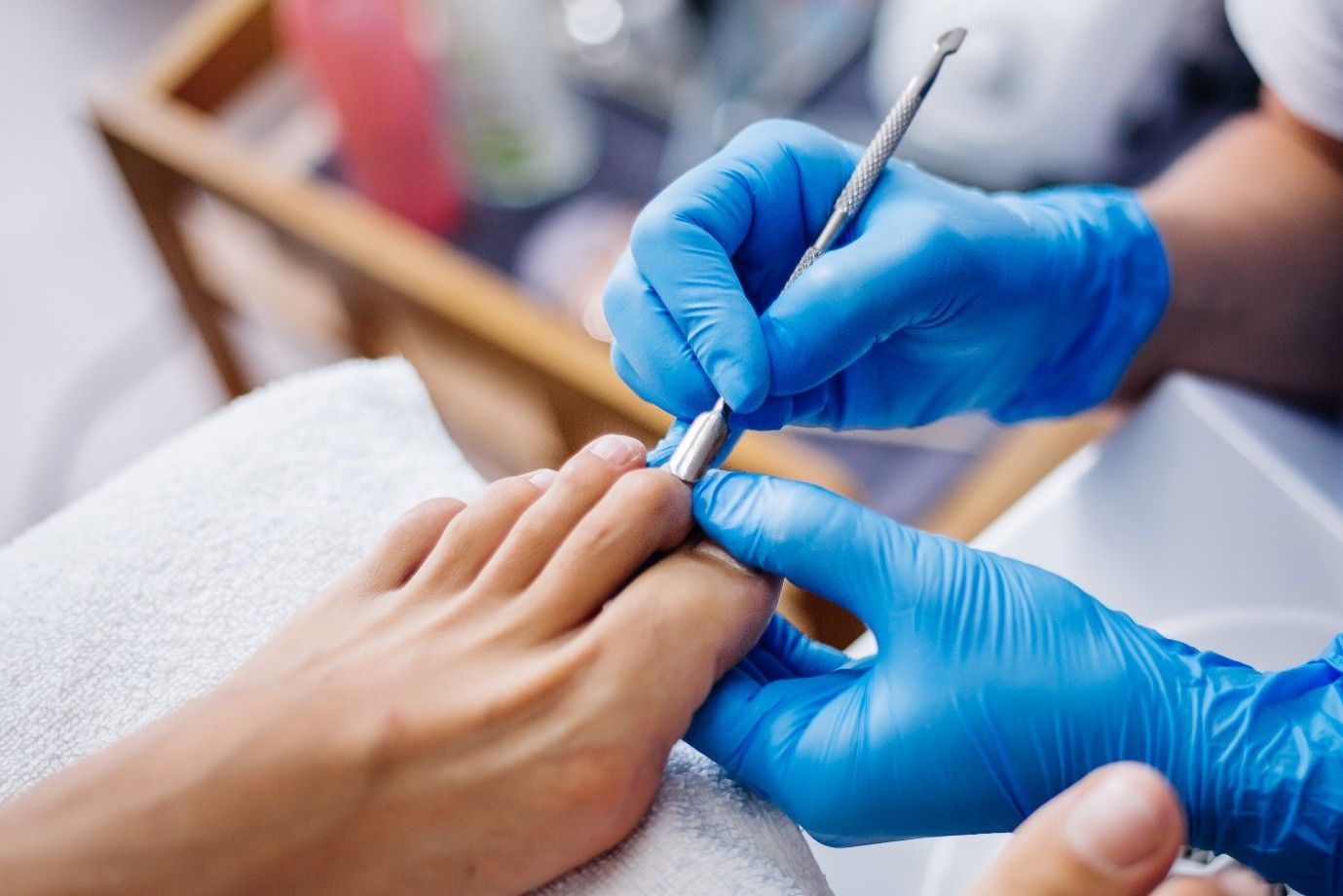
● Ingrown toenails and injuries around the nail edges.
● Pressure injuries associated with foot deformities or changes in walking patterns.
An open wound can become infected, and severe infections may spread into deeper tissues or bone. Early attention is therefore important, even when an injury appears minor.
Warning Signs You Should Never Ignore
Nerve damage can make diabetic foot wounds less painful or even painless. Regularly checking your feet helps identify problems before they become more complicated.
Watch for:
● Redness, swelling, or unusual warmth.
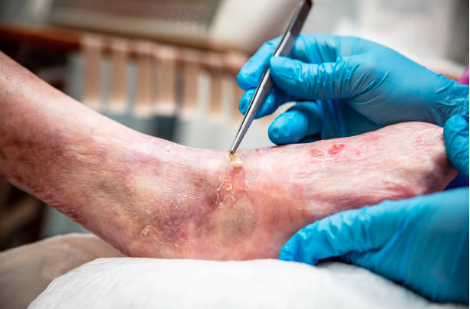
● Cuts, blisters, cracks, or open sores.
● Drainage, pus, or an unpleasant smell.
● Unusual skin discoloration.
● Changes in foot shape or new swelling.
● Wounds that do not appear to be healing.
Fever, spreading redness, rapidly worsening swelling, or signs of severe infection require urgent medical attention. Do not wait for pain to develop before seeking an assessment.
What Does Diabetic Foot Wound Care Involve?
Treating a diabetic foot wound requires more than covering it with a dressing. Care depends on the wound's depth, location, possible infection, circulation, and the patient's overall health.
Depending on the assessment, treatment may involve:
● Wound cleaning and dressing: Cleaning the affected area and selecting an appropriate dressing to protect the tissue and support healing.
● Pressure relief: Using suitable footwear, padding, or offloading devices to reduce stress on the wound.
● Infection management: Evaluating suspected infections and providing appropriate treatment.
● Debridement: Removing dead or damaged tissue when clinically appropriate.
● Circulation assessment: Identifying reduced blood supply that may interfere with healing.
The right diabetic foot wound care treatment depends on the wound's condition and whether infection or circulation problems are present. Ongoing monitoring is also important to assess progress and address factors delaying recovery.
Avoid cutting calluses, applying unprescribed chemicals, or soaking an injured foot without professional guidance. These practices can irritate the skin or worsen an existing wound.
How Can You Protect Your Feet During the Holiday Season?
Enjoying seasonal gatherings does not mean neglecting the habits that protect your feet. A few consistent precautions can help:
● Maintain your diabetes routine: Follow prescribed medication and blood glucose monitoring guidance, even when meal schedules change.
● Inspect your feet daily: Check your soles, heels, toes, and spaces between the toes for injuries or skin changes.
● Wear comfortable footwear: Choose properly fitted shoes that minimize friction and pressure.
● Avoid walking barefoot: Even indoors, sharp objects and rough surfaces can cause unnoticed injuries.
● Moisturize dry skin: Protect against cracking, but avoid applying moisturizer between the toes.
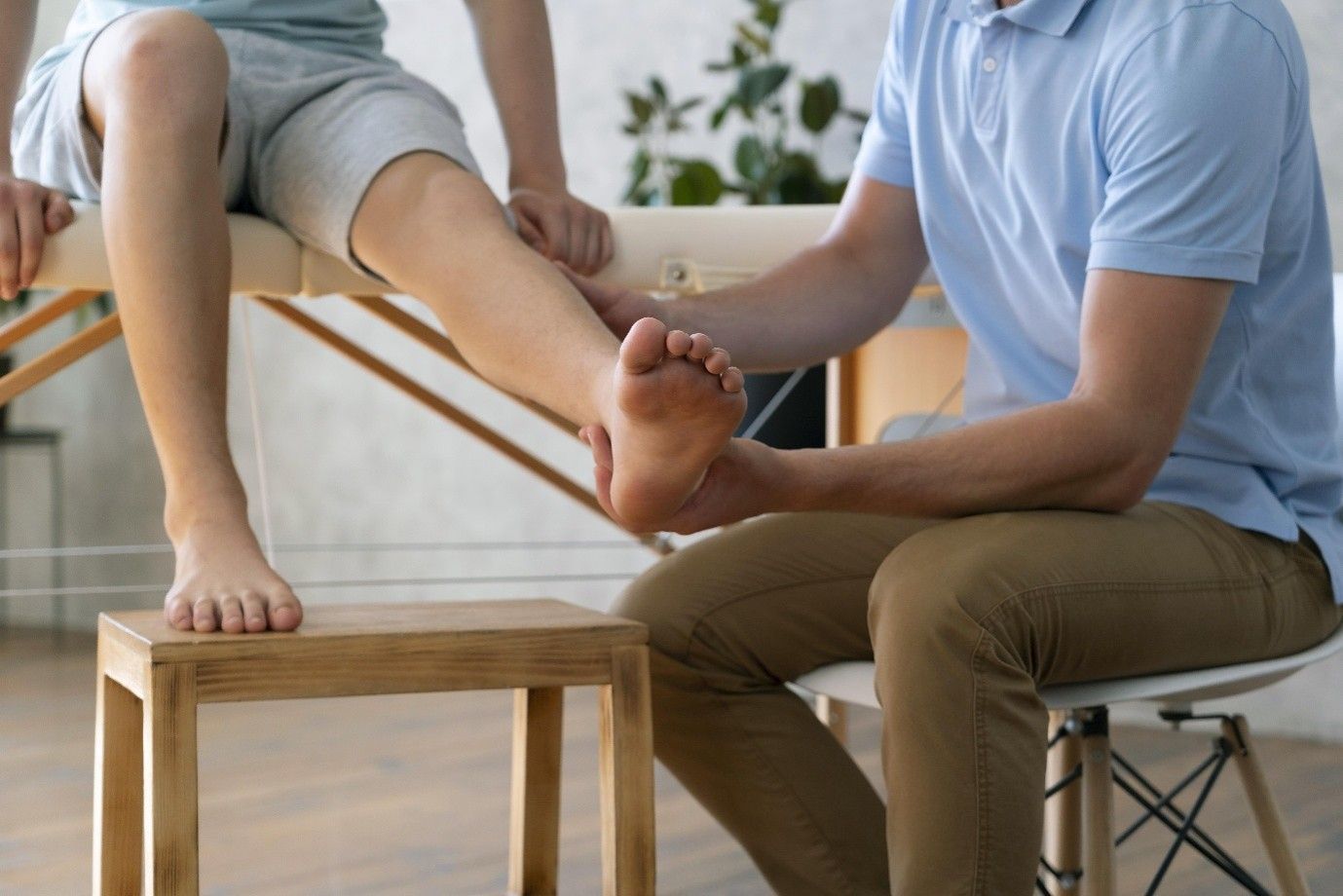
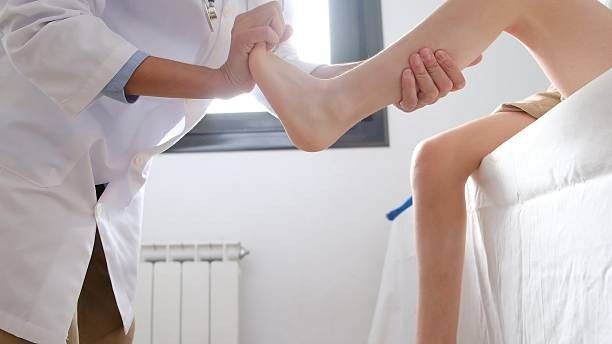
● Schedule regular foot examinations: Professional assessments can identify pressure points, nail problems, and early signs of damage.
These habits remain important beyond the festive season. Consistent care is more effective than waiting for visible damage or discomfort.
Why Professional Diabetic Foot Care Matters
Diabetic foot wounds vary in depth and severity. A superficial skin injury requires a different approach from a deep wound or infected ulcer. Professional evaluation helps identify the extent of damage and determine whether additional assessment is needed for infection, circulation, or pressure-related problems.
Consistent wound care and diabetic foot care also include monitoring changes in the wound, recognizing possible complications, and adjusting the care approach as healing progresses.
At Family Foot Center, patients can seek professional guidance for foot-related concerns and appropriate care based on their individual needs. An assessment can help identify the nature of a wound, determine suitable next steps, and establish a monitoring plan.
If you have noticed a foot wound, persistent skin irritation, or changes in your foot health, don't wait for the problem to worsen. Contact Family Foot Center today to schedule a professional foot evaluation and learn about the appropriate care options for your needs.
Make Foot Health Part of Your Everyday Diabetes Care
Holiday meals and family gatherings can be enjoyed while maintaining the habits that support diabetes management. Regular foot inspections, suitable footwear, and attention to early signs of injury all contribute to better foot health.
A small wound should never be dismissed simply because it does not hurt. Recognizing changes early and seeking appropriate care can help prevent serious complications throughout the festive season and beyond.
Frequently Asked Questions
1. Why are people with diabetes more likely to develop foot wounds?
Diabetes can damage nerves and reduce blood circulation, making injuries harder to notice and slowing tissue repair. This increases the risk of infection and other complications.
2. Can eating sugary foods during the holidays cause diabetic foot wounds?
Sugary foods do not directly cause foot wounds. However, consistently elevated blood sugar can contribute to nerve damage and circulation problems over time, increasing the risk of foot complications.
3. What are the early warning signs of a diabetic foot wound?
Redness, swelling, warmth, blisters, cuts, cracked skin, drainage, and wounds that do not heal are common warning signs. Reduced sensation may mean some injuries cause little or no pain.
4. What treatments are available for diabetic foot wounds?
Treatment may include wound cleaning and dressings, pressure relief, infection management, debridement, and circulation assessment. The appropriate approach depends on the wound's condition.
5. How can people with diabetes prevent foot wounds during the festive season?
Inspect your feet daily, wear properly fitted footwear, avoid walking barefoot, moisturize dry skin, and maintain your prescribed diabetes management routine. Regular professional examinations can also help identify problems early.