What Happens When a Sports Injury Is Ignored Instead of Properly Treated
Summary: This blog explains how ignoring sports injuries can lead to chronic pain, reduced mobility, and longer recovery times. It highlights the importance of early podiatric treatment, proper diagnosis, and personalized care for effective healing. Focused on individuals around Liberty Ave in Pittsburgh, it connects everyday activity challenges with the need for timely intervention and professional foot care.
A quick twist during a run. A slight strain after a workout. A sharp pain that fades by the next day.
It is easy to assume that a sports injury will heal on its own with a little rest. However, ignoring early symptoms without proper podiatric sports injury treatment often leads to more serious problems over time. What begins as mild discomfort can gradually turn into persistent pain, limited movement, and longer recovery periods.
For many active individuals around Liberty Ave in Pittsburgh, PA, staying consistent with workouts, walking routines, or daily activities is part of everyday life. But when foot or ankle pain starts interfering, even simple movements like walking, standing, or climbing stairs can become uncomfortable and frustrating.
Why Sports Injuries Affect More Than Just Performance
Foot and ankle injuries do not remain isolated. They directly affect how the entire body moves. When structures such as ligaments, tendons, or bones are compromised, natural biomechanics change. This alters gait patterns and load distribution across joints.
As the body compensates, additional strain develops in other areas, which can lead to:
● Knee discomfort
● Hip strain
● Lower back pain
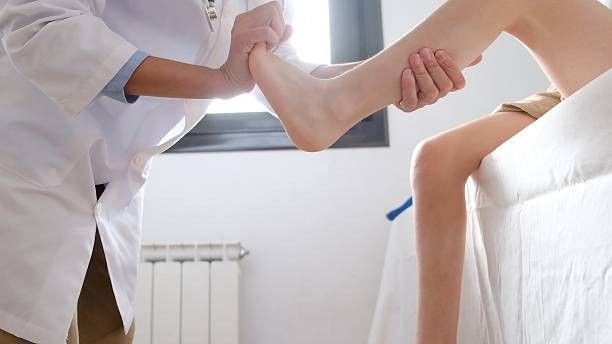
This chain reaction is why proper evaluation is essential. A detailed assessment that includes movement analysis and biomechanical evaluation helps identify the root cause instead of temporarily masking symptoms.
The Hidden Risks of Delaying Treatment for Sports Injuries
Delaying care can turn a manageable condition into a long-term concern. In an active community like Pittsburgh, especially around busy areas like Liberty Ave, many individuals continue daily routines despite discomfort, which often worsens the injury.
Inflammation can increase, microtears in tissues may expand, and the body may begin to heal improperly. Without structured care, this can result in reduced stability, chronic pain, or recurring injuries. Overuse conditions such as tendonitis or stress fractures are especially likely to worsen when ignored.
Patients often report that early symptoms were dismissed, which later led to longer recovery timelines. Early intervention plays a critical role in preventing these complications and improving long-term outcomes.
How Untreated Foot and Ankle Injuries Worsen Over Time
Effective recovery requires more than rest alone. Professional podiatric sports medicine services focus on identifying the exact cause of injury through clinical evaluation, movement testing, and, when necessary, diagnostic imaging.
Treatment is designed to restore normal function while correcting the underlying issue. This may involve improving joint mobility, reducing inflammation, and addressing mechanical imbalances that contributed to the injury. By focusing on how the foot functions during movement, care becomes more precise and results more reliable.
With a structured and evidence-based approach, healing becomes more predictable and complete. Patients are not only treated for current pain but also guided toward preventing future injuries. If discomfort is already affecting your daily routine, early evaluation can significantly reduce recovery time and prevent further damage.
Why Ignored Injuries Often Lead to Longer and More Complex Recovery
No two injuries are exactly the same, which is why treatment should always be personalized. Recovery plans are based on the individual’s activity level, lifestyle, and the severity of the condition.
This approach may include:
● Customized support such as orthotics or bracing
● Rehabilitation exercises to restore strength and flexibility
● Activity modification to reduce stress on the affected area
By focusing on these elements, treatment becomes more effective and sustainable. Proper podiatric sports injury treatment helps restore mobility while reducing the risk of recurrence.
When Ignoring Pain Becomes a Serious Problem
Many people wait too long before seeking help, often hoping the discomfort will resolve on its own. However, certain symptoms indicate that professional care is necessary.
Persistent pain, swelling, stiffness, or difficulty walking should not be ignored. Pain that worsens with activity or continues to return is a clear signal that the injury requires proper diagnosis. Addressing these symptoms early allows for more efficient healing and helps prevent long-term complications.
Take the First Step Toward Recovery
If you are experiencing ongoing pain, getting the right care early can make a significant difference in how quickly and effectively you recover.
Our office is conveniently located on Liberty Ave in Pittsburgh, PA, making it easier for you to access expert care close to where you live or stay active. With the right diagnosis and a personalized treatment plan, healing becomes more efficient and long-lasting.
Family Foot Center provides focused care designed to restore comfort, improve mobility, and support your return to an active lifestyle. Taking action early is the best way to protect your long-term foot health.
FAQs
1. What is podiatric sports injury treatment?
It focuses on diagnosing and treating foot and ankle injuries caused by physical activity, using personalized care plans to restore movement and prevent future issues.
2. When should I see a specialist for a sports injury?
If pain, swelling, or discomfort lasts more than a few days or affects your daily activities, it is best to seek professional care.
3. Can untreated foot injuries become serious?
Yes, untreated injuries can worsen over time and lead to chronic pain, reduced mobility, or additional strain on other parts of the body.
4. What treatments are commonly used?
Treatment may include rehabilitation exercises, supportive devices, activity modification, and customized care strategies based on your condition.
5. How long does recovery take?
Recovery time depends on the severity of the injury and how early treatment begins. Early care usually leads to faster and more effective healing.