Could a Small Foot Wound Turn Into a Serious Problem?

Beverly Gruain • May 28, 2026

Diabetic Foot Ulcer Treatment

Diabetic Foot Ulcer Treatment

Summary: This blog talks about how even a minor foot injury can lead to serious complications if left untreated, especially for people with diabetes. It highlights key warning signs, the importance of early care, and how timely treatment can prevent infections, ulcers, and long-term damage while helping you maintain healthy, pain-free feet.


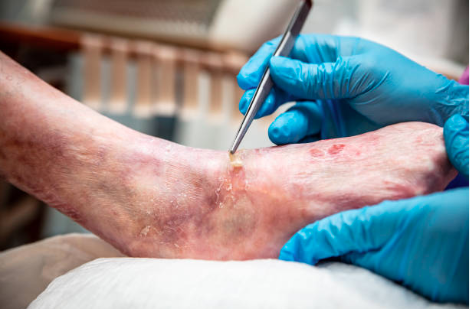
You might wonder, could a small foot wound really turn into a serious problem? It may seem harmless at first, but what looks minor today can quietly become something much more serious tomorrow. That is where timely Diabetic Foot Ulcer Treatment becomes crucial. Ignoring early signs is like letting a tiny crack in a wall grow into a major repair job.


Why do small foot injuries become serious so quickly?


It often starts with something simple. A blister. A tiny cut. Nothing alarming at first glance. But if you have reduced blood flow or nerve damage, your body may not heal as it should. You may not even feel the injury getting worse. Before you know it, that small wound can turn into an infection or even an ulcer.

This is especially common in people with diabetes. Poor circulation slows healing. Nerve damage reduces sensation. It is a double whammy. So while others heal in days, your foot might struggle. That is why early care matters more than you think.


What warning signs should you never ignore?


Here is where you need to pay close attention. Your feet often send signals before things go south. You just have to notice them. Look out for redness, swelling, warmth, or any discharge from a wound. Even a slight change in skin color can be a red flag.


Pain is not always present, which can be tricky. If a wound is not healing or seems to be getting bigger, do not wait. Trust your gut. When something feels off, it usually is. Catching these signs early can save you from bigger complications down the road.


When should you see a specialist for proper care?


You might be wondering, Should I really see a doctor for something this small? Short answer. Yes! if it is not healing or showing signs of infection. Getting help early can make all the difference. A trained foot specialist Pittsburgh PA can assess the situation, treat the wound, and prevent it from worsening.

Think of it this way. It is better to be safe than sorry. Delaying care can lead to deeper infections, tissue damage, or even hospitalization in severe cases. A quick visit today can save you weeks or months of treatment later.


How can proper treatment prevent long-term damage?


Everything can change with the correct attention at the appropriate time. Cleaning the wound, reducing pressure, and using the right dressings are key steps. In some cases, advanced care like Diabetic Foot Ulcer Treatment may be needed to promote healing and prevent infection from spreading.


Good treatment is not just about fixing the problem. It is about preventing it from coming back. With proper guidance, you can learn how to protect your feet, choose better footwear, and avoid repeat injuries. It is like fixing the root, not just the symptom.


We at Family Foot Center are here to help you take the right step toward healthier feet with expert care and timely treatment.


Final Remarks


So, can a minor foot injury lead to serious complications? The honest answer is yes, it can. What seems small today can quickly snowball into a bigger issue if ignored. The good news is that you have the power to stop it early. Pay attention to your feet. Act quickly. And never hesitate to seek help when something feels off. After all, a stitch in time really does save nine.


FAQs


1. Can a small foot cut turn into an ulcer?


Yes, especially if you have diabetes or poor circulation. Even a small cut can worsen if not treated properly and may develop into an ulcer.


2. How much time should it take for a foot wound to heal?


Most minor wounds heal within a few days. If it takes longer than a week or shows signs of infection, you should seek medical care.


3. Is it necessary to see a specialist for minor foot injuries?


If the injury is not healing or getting worse, it is best to consult a specialist to avoid complications.


4. What are early signs of a foot infection?


Redness, swelling, warmth, discharge, or a foul smell are common early signs that should not be ignored.


5. How can I prevent foot injuries from becoming serious?


Keep your feet clean, inspect them daily, wear proper footwear, and seek early treatment if you notice any issues.

Call Now
By Beverly Gruain July 30, 2026
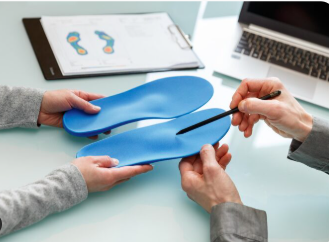
Summary: Diabetic orthotic insoles help prevent foot complications by reducing pressure, improving alignment, and protecting skin from friction. They also support better circulation and daily comfort, making them essential for consistent foot care. With the right support, you can lower the risk of injuries and maintain healthier feet, ensuring long-term protection and improved mobility in everyday life. When you are living with diabetes, foot care becomes a daily priority, not an afterthought. Even a small blister can turn into a serious issue if ignored. That is where diabetic orthotic insoles step in as a practical and preventive solution. They do more than cushion your feet. They help reduce pressure, improve balance, and protect your skin from damage. In simple words, they quietly do the heavy lifting while you go about your day. Balanced Pressure Distribution for Safer Movement One of the most common causes of diabetic foot problems is uneven pressure. Certain areas of your feet take on more weight, leading to stress points. Over time, this can cause calluses, sores, or ulcers. Orthotic insoles help spread pressure evenly across your feet. This means no single area is overworked. Your steps become more stable and controlled. It feels like your feet are finally getting the support they have been asking for. And honestly, once you feel the difference, there is no going back. Improved Foot Alignment for Long-Term Protection Your foot alignment affects how you walk, stand, and move every day. Poor alignment can create strain on muscles and joints. Over time, this increases the risk of injuries. That is where custom orthotics for diabetes make a real difference. They are designed specifically for your foot shape and condition. With proper alignment, your posture improves naturally. You reduce stress on sensitive areas and move more comfortably. It is a small adjustment that delivers big long-term benefits. Reduced Friction to Prevent Skin Breakdown Friction might seem harmless, but for diabetic feet, it can be a serious concern. Continuous rubbing inside shoes can lead to blisters and wounds. And if you have reduced sensation, you might not notice it early enough. diabetic orthotic insoles act as a soft barrier between your feet and your footwear. They reduce rubbing and absorb shock during movement. This helps protect your skin and lowers the chances of injuries. Think of them as your everyday shield against hidden risks. Better Circulation for Faster Recovery Good circulation is key to keeping your feet healthy. When blood flow is restricted, healing slows down. This increases the chances of infections and complications. Orthotic insoles help improve circulation by supporting proper foot positioning and reducing pressure points. As circulation improves, your feet feel less tired and more energized. Healing becomes faster and more effective. It is like giving your body a gentle push in the right direction. Consistent Comfort That Supports Daily Use Let’s face it, if something is not comfortable, you will not use it regularly. The good news is that modern orthotic insoles are designed with comfort in mind. They are lightweight, breathable, and easy to fit into your daily footwear. This makes it easier for you to stay consistent. And consistency is the secret sauce when it comes to prevention. The more you wear them, the better your protection. Simple habit, big impact. If you are ready to take better care of your feet, we at Family Foot Center are here to provide expert guidance and personalized solutions that truly make a difference in your daily comfort and long-term foot health. Final Remarks Preventing foot complications when you have diabetes is not complicated, but it does require attention and the right support. Orthotic insoles are not just about comfort. They are about protection, prevention, and peace of mind. By improving pressure balance, reducing friction, and supporting natural movement, they help you stay ahead of potential problems. As the saying goes, a stitch in time saves nine. Taking small steps today can save you from bigger issues tomorrow. FAQs 1. What are diabetic orthotic insoles used for? They help reduce pressure, prevent ulcers, improve alignment, and protect feet from injuries in people with diabetes. 2. How often should you wear orthotic insoles? You should wear them daily, especially while walking or standing, to get consistent protection and support. 3. Are custom orthotics better than regular insoles? Yes, custom orthotics provide tailored support, making them more effective for preventing diabetic foot complications. 4. Can orthotic insoles reduce foot pain? Yes, they help relieve pressure points and improve alignment, which reduces pain and discomfort. 5. Do orthotic insoles fit all types of shoes? Most insoles fit standard shoes, but footwear with proper space and support is recommended for best results. 
Pediatric Foot Pain Treatment
By Beverly Gruain June 1, 2026
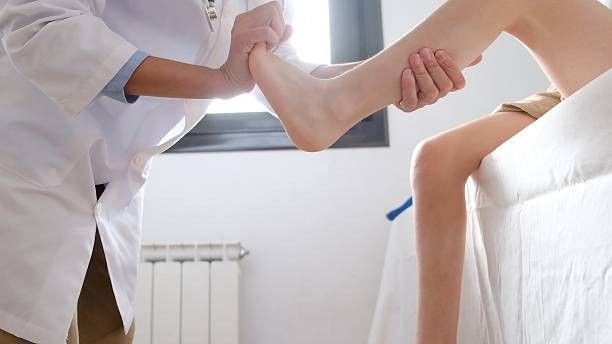
Learn when your child may need Pediatric Foot Pain Treatment and how early care can prevent long-term foot problems and discomfort.