
Blog

Summary: This blog explains how ignoring sports injuries can lead to chronic pain, reduced mobility, and longer recovery times. It highlights the importance of early podiatric treatment, proper diagnosis, and personalized care for effective healing. Focused on individuals around Liberty Ave in Pittsburgh, it connects everyday activity challenges with the need for timely intervention and professional foot care. A quick twist during a run. A slight strain after a workout. A sharp pain that fades by the next day. It is easy to assume that a sports injury will heal on its own with a little rest. However, ignoring early symptoms without proper podiatric sports injury treatment often leads to more serious problems over time. What begins as mild discomfort can gradually turn into persistent pain, limited movement, and longer recovery periods. For many active individuals around Liberty Ave in Pittsburgh, PA, staying consistent with workouts, walking routines, or daily activities is part of everyday life. But when foot or ankle pain starts interfering, even simple movements like walking, standing, or climbing stairs can become uncomfortable and frustrating. Why Sports Injuries Affect More Than Just Performance Foot and ankle injuries do not remain isolated. They directly affect how the entire body moves. When structures such as ligaments, tendons, or bones are compromised, natural biomechanics change. This alters gait patterns and load distribution across joints. As the body compensates, additional strain develops in other areas, which can lead to: ● Knee discomfort ● Hip strain ● Lower back pain This chain reaction is why proper evaluation is essential. A detailed assessment that includes movement analysis and biomechanical evaluation helps identify the root cause instead of temporarily masking symptoms. The Hidden Risks of Delaying Treatment for Sports Injuries Delaying care can turn a manageable condition into a long-term concern. In an active community like Pittsburgh, especially around busy areas like Liberty Ave, many individuals continue daily routines despite discomfort, which often worsens the injury. Inflammation can increase, microtears in tissues may expand, and the body may begin to heal improperly. Without structured care, this can result in reduced stability, chronic pain, or recurring injuries. Overuse conditions such as tendonitis or stress fractures are especially likely to worsen when ignored. Patients often report that early symptoms were dismissed, which later led to longer recovery timelines. Early intervention plays a critical role in preventing these complications and improving long-term outcomes. How Untreated Foot and Ankle Injuries Worsen Over Time Effective recovery requires more than rest alone. Professional podiatric sports medicine services focus on identifying the exact cause of injury through clinical evaluation, movement testing, and, when necessary, diagnostic imaging. Treatment is designed to restore normal function while correcting the underlying issue. This may involve improving joint mobility, reducing inflammation, and addressing mechanical imbalances that contributed to the injury. By focusing on how the foot functions during movement, care becomes more precise and results more reliable. With a structured and evidence-based approach, healing becomes more predictable and complete. Patients are not only treated for current pain but also guided toward preventing future injuries. If discomfort is already affecting your daily routine, early evaluation can significantly reduce recovery time and prevent further damage. Why Ignored Injuries Often Lead to Longer and More Complex Recovery No two injuries are exactly the same, which is why treatment should always be personalized. Recovery plans are based on the individual’s activity level, lifestyle, and the severity of the condition. This approach may include: ● Customized support such as orthotics or bracing ● Rehabilitation exercises to restore strength and flexibility ● Activity modification to reduce stress on the affected area By focusing on these elements, treatment becomes more effective and sustainable. Proper podiatric sports injury treatment helps restore mobility while reducing the risk of recurrence. When Ignoring Pain Becomes a Serious Problem Many people wait too long before seeking help, often hoping the discomfort will resolve on its own. However, certain symptoms indicate that professional care is necessary. Persistent pain, swelling, stiffness, or difficulty walking should not be ignored. Pain that worsens with activity or continues to return is a clear signal that the injury requires proper diagnosis. Addressing these symptoms early allows for more efficient healing and helps prevent long-term complications. Take the First Step Toward Recovery If you are experiencing ongoing pain, getting the right care early can make a significant difference in how quickly and effectively you recover. Our office is conveniently located on Liberty Ave in Pittsburgh, PA, making it easier for you to access expert care close to where you live or stay active. With the right diagnosis and a personalized treatment plan, healing becomes more efficient and long-lasting. Family Foot Center provides focused care designed to restore comfort, improve mobility, and support your return to an active lifestyle. Taking action early is the best way to protect your long-term foot health. FAQs 1. What is podiatric sports injury treatment? It focuses on diagnosing and treating foot and ankle injuries caused by physical activity, using personalized care plans to restore movement and prevent future issues. 2. When should I see a specialist for a sports injury? If pain, swelling, or discomfort lasts more than a few days or affects your daily activities, it is best to seek professional care. 3. Can untreated foot injuries become serious? Yes, untreated injuries can worsen over time and lead to chronic pain, reduced mobility, or additional strain on other parts of the body. 4. What treatments are commonly used? Treatment may include rehabilitation exercises, supportive devices, activity modification, and customized care strategies based on your condition. 5. How long does recovery take? Recovery time depends on the severity of the injury and how early treatment begins. Early care usually leads to faster and more effective healing.
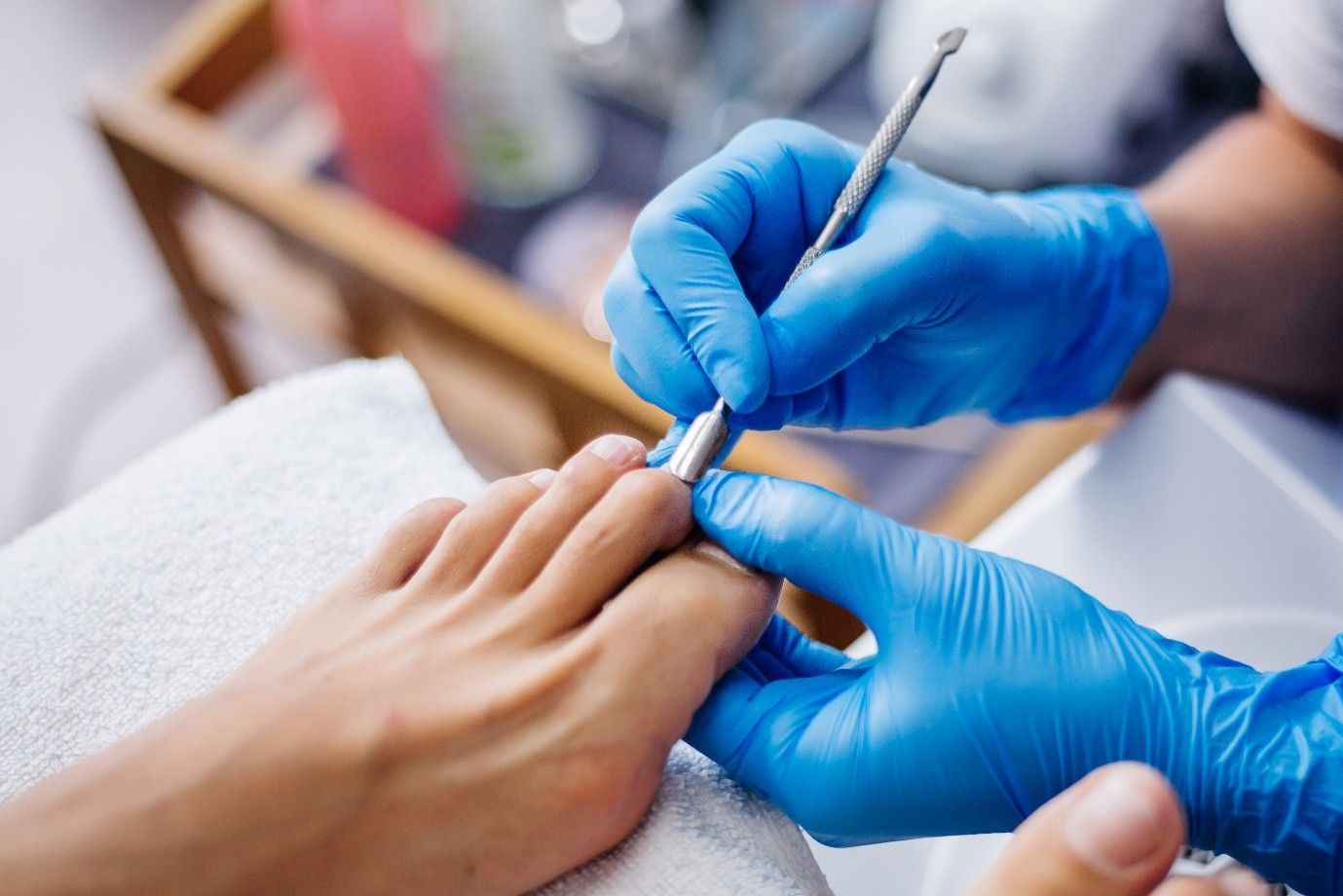
Summary: An ingrown toenail can start as minor discomfort but become increasingly painful when the nail continues pressing into surrounding skin. This blog explains the common causes of ingrown toenails, warning signs of infection, when home care is appropriate, and how professional treatment can address persistent or recurring cases. It also covers prevention tips and when people with diabetes, reduced sensation, or circulation concerns should seek evaluation. That sharp little twinge along the edge of your big toe can seem easy to ignore. You might blame it on tight shoes, an awkward step, or a recent pedicure. But when the skin around the toenail becomes red, swollen, or increasingly tender, the problem deserves attention. At our family foot ankle clinic, we evaluate ingrown toenails and help patients determine whether simple care is enough or professional treatment is needed. What Exactly Is an Ingrown Toenail? An ingrown toenail develops when the edge or corner of a toenail grows into the surrounding skin instead of extending normally over the toe. It most often affects the big toe and can cause tenderness, redness, swelling, and irritation. When the skin becomes damaged, bacteria can enter and contribute to infection. Several factors can contribute to an ingrown toenail: ● Improper nail trimming: Cutting nails too short or rounding deeply into the corners can encourage the nail edge to grow into the skin. ● Tight footwear: Shoes with a narrow or crowded toe box can place repeated pressure on the nail and surrounding tissue. ● Toe injuries: Trauma, such as repeatedly hitting the toe or dropping something on it, can affect nail growth. ● Nail shape: Naturally curved or unusually shaped nails can be more prone to becoming ingrown. ● Moisture and irritation: Persistent moisture, friction, or irritation around the toes can contribute to skin breakdown and discomfort. People with diabetes, reduced sensation, or circulation problems should take foot changes seriously because an injury or infection can require more careful management. Why Waiting Can Make the Problem Harder An early ingrown toenail may cause little more than localized tenderness. As the nail continues pressing into the skin, however, inflammation can increase and the surrounding tissue can become more irritated. Signs such as increasing redness, warmth, swelling, drainage, or worsening pain can indicate that the area needs professional evaluation. An untreated infection can sometimes spread into surrounding tissue, making prompt assessment particularly important for people who have conditions that affect healing or sensation. Home care also has limits. Trying to cut deeply into the corner of the nail or repeatedly placing objects underneath it can further irritate already-sensitive tissue. If symptoms continue or worsen despite basic care, an examination is a better approach than repeatedly trying to correct the nail yourself. How Ingrown Toenail Treatment Works Treatment depends on the severity of the ingrown nail, the condition of the surrounding skin, whether infection is present, and whether the problem keeps returning. For a mild case, a foot specialist may recommend conservative measures designed to reduce pressure and allow the nail to grow normally. When part of the nail has become embedded in the skin and symptoms are more significant, a partial nail removal procedure can remove the problematic section while leaving the unaffected portion intact. For recurring cases, a matrixectomy may be considered. This procedure addresses part of the nail matrix, the tissue responsible for nail growth, to reduce the likelihood that the problematic portion of the nail will grow back. If an infection is present, treatment focuses on addressing the infection as well as the underlying nail problem. Antibiotics are not automatically necessary for every ingrown toenail, so the appropriate treatment depends on the findings during an examination. The goal is not simply to relieve today's discomfort. It is to address the cause of the problem and reduce the likelihood of repeated irritation. A Few Habits Can Help Prevent Another Ingrown Nail Once the toe has healed, everyday foot-care habits can make a meaningful difference. Trim toenails straight across. Avoid cutting deeply into the corners. Do not cut nails excessively short. Leave enough nail extending beyond the skin to reduce pressure on the nail fold. Choose footwear with adequate toe room. Your toes should not be compressed against the front or sides of the shoe. Keep your feet clean and dry. Change damp socks and pay attention to moisture between the toes. Check your feet regularly. This is especially important if reduced sensation makes it difficult to notice pain or irritation. These habits cannot eliminate every risk factor, particularly when nail shape or recurring problems are involved, but they can reduce preventable irritation. When Is It Time to See a Foot Specialist? A little tenderness does not always require immediate medical treatment. However, persistent or worsening symptoms deserve attention. Consider scheduling an evaluation if your toe develops increasing pain, swelling, redness, warmth, drainage, or difficulty wearing normal footwear. If you have diabetes, reduced sensation, circulation problems, or another condition that affects healing, it is particularly important to have new foot concerns assessed rather than attempting prolonged self-treatment. Family Foot Center provides foot and ankle care in Pittsburgh and Monroeville, including evaluation and treatment for ingrown toenails. If your symptoms are interfering with walking, footwear, or everyday activities, getting the problem evaluated can help you understand the appropriate next step. Take Toenail Pain Seriously Before It Takes Over Your Day An ingrown toenail may begin as a minor annoyance, but persistent pressure and inflammation can turn it into a much more uncomfortable problem. The right response depends on the severity of the condition, the health of the surrounding tissue, and whether the problem has become recurrent. As a provider of family foot health care , Family Foot Center focuses on identifying the underlying issue and developing treatment around the patient's individual needs. If an ingrown toenail is becoming increasingly painful or showing signs of infection, contact Family Foot Center to schedule an evaluation and determine the appropriate course of care. Frequently Asked Questions 1. Can an ingrown toenail heal on its own? Mild cases can sometimes improve with appropriate home care, particularly when there is no significant inflammation or infection. However, worsening pain, swelling, redness, drainage, or persistent symptoms should be evaluated by a foot specialist rather than treated indefinitely at home. 2. Is ingrown toenail treatment painful? Many in-office procedures involve local anesthesia to numb the affected toe before treatment. This helps minimize discomfort during the procedure. Some soreness can occur afterward, depending on the treatment performed and the severity of the condition. 3. How long does recovery take after ingrown toenail treatment? Recovery depends on the procedure and the individual case. Some patients can resume normal walking relatively quickly, while more involved procedures can require additional wound care and a period of reduced activity. Your provider can explain what to expect based on the treatment recommended. 4. Can an ingrown toenail come back after treatment? Yes. Recurrence is possible, particularly when the nail naturally curves inward, improper trimming continues, or pressure from footwear remains. For recurring cases, procedures that address part of the nail matrix can reduce the likelihood of the same section growing back. 5. When should I see a podiatrist for an ingrown toenail? Seek professional evaluation if pain persists or increases, or if you notice significant redness, swelling, warmth, drainage, or other signs of infection. People with diabetes, reduced sensation, circulation problems, or impaired healing should have new foot concerns evaluated promptly.
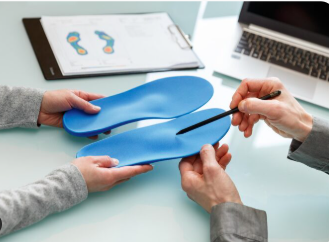
Summary: Diabetic orthotic insoles help prevent foot complications by reducing pressure, improving alignment, and protecting skin from friction. They also support better circulation and daily comfort, making them essential for consistent foot care. With the right support, you can lower the risk of injuries and maintain healthier feet, ensuring long-term protection and improved mobility in everyday life. When you are living with diabetes, foot care becomes a daily priority, not an afterthought. Even a small blister can turn into a serious issue if ignored. That is where diabetic orthotic insoles step in as a practical and preventive solution. They do more than cushion your feet. They help reduce pressure, improve balance, and protect your skin from damage. In simple words, they quietly do the heavy lifting while you go about your day. Balanced Pressure Distribution for Safer Movement One of the most common causes of diabetic foot problems is uneven pressure. Certain areas of your feet take on more weight, leading to stress points. Over time, this can cause calluses, sores, or ulcers. Orthotic insoles help spread pressure evenly across your feet. This means no single area is overworked. Your steps become more stable and controlled. It feels like your feet are finally getting the support they have been asking for. And honestly, once you feel the difference, there is no going back. Improved Foot Alignment for Long-Term Protection Your foot alignment affects how you walk, stand, and move every day. Poor alignment can create strain on muscles and joints. Over time, this increases the risk of injuries. That is where custom orthotics for diabetes make a real difference. They are designed specifically for your foot shape and condition. With proper alignment, your posture improves naturally. You reduce stress on sensitive areas and move more comfortably. It is a small adjustment that delivers big long-term benefits. Reduced Friction to Prevent Skin Breakdown Friction might seem harmless, but for diabetic feet, it can be a serious concern. Continuous rubbing inside shoes can lead to blisters and wounds. And if you have reduced sensation, you might not notice it early enough. diabetic orthotic insoles act as a soft barrier between your feet and your footwear. They reduce rubbing and absorb shock during movement. This helps protect your skin and lowers the chances of injuries. Think of them as your everyday shield against hidden risks. Better Circulation for Faster Recovery Good circulation is key to keeping your feet healthy. When blood flow is restricted, healing slows down. This increases the chances of infections and complications. Orthotic insoles help improve circulation by supporting proper foot positioning and reducing pressure points. As circulation improves, your feet feel less tired and more energized. Healing becomes faster and more effective. It is like giving your body a gentle push in the right direction. Consistent Comfort That Supports Daily Use Let’s face it, if something is not comfortable, you will not use it regularly. The good news is that modern orthotic insoles are designed with comfort in mind. They are lightweight, breathable, and easy to fit into your daily footwear. This makes it easier for you to stay consistent. And consistency is the secret sauce when it comes to prevention. The more you wear them, the better your protection. Simple habit, big impact. If you are ready to take better care of your feet, we at Family Foot Center are here to provide expert guidance and personalized solutions that truly make a difference in your daily comfort and long-term foot health. Final Remarks Preventing foot complications when you have diabetes is not complicated, but it does require attention and the right support. Orthotic insoles are not just about comfort. They are about protection, prevention, and peace of mind. By improving pressure balance, reducing friction, and supporting natural movement, they help you stay ahead of potential problems. As the saying goes, a stitch in time saves nine. Taking small steps today can save you from bigger issues tomorrow. FAQs 1. What are diabetic orthotic insoles used for? They help reduce pressure, prevent ulcers, improve alignment, and protect feet from injuries in people with diabetes. 2. How often should you wear orthotic insoles? You should wear them daily, especially while walking or standing, to get consistent protection and support. 3. Are custom orthotics better than regular insoles? Yes, custom orthotics provide tailored support, making them more effective for preventing diabetic foot complications. 4. Can orthotic insoles reduce foot pain? Yes, they help relieve pressure points and improve alignment, which reduces pain and discomfort. 5. Do orthotic insoles fit all types of shoes? Most insoles fit standard shoes, but footwear with proper space and support is recommended for best results.
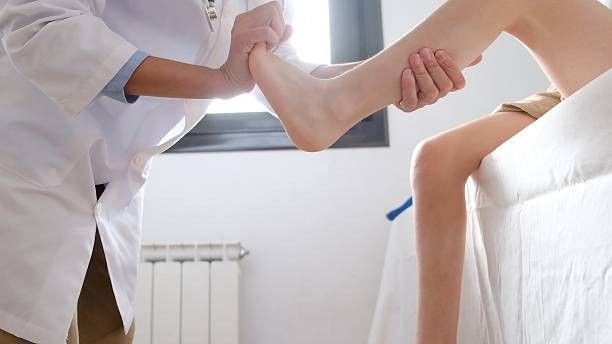
Learn when your child may need Pediatric Foot Pain Treatment and how early care can prevent long-term foot problems and discomfort.
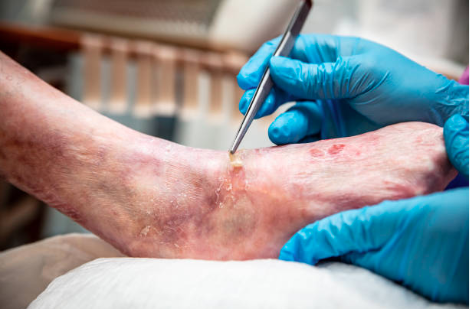
Foot and ankle care. Diabetic foot care. Plantar Fasciitis. Podiatric surgery. Geriatric foot care. Pediatric foot care. Call for a same-day appointment!
